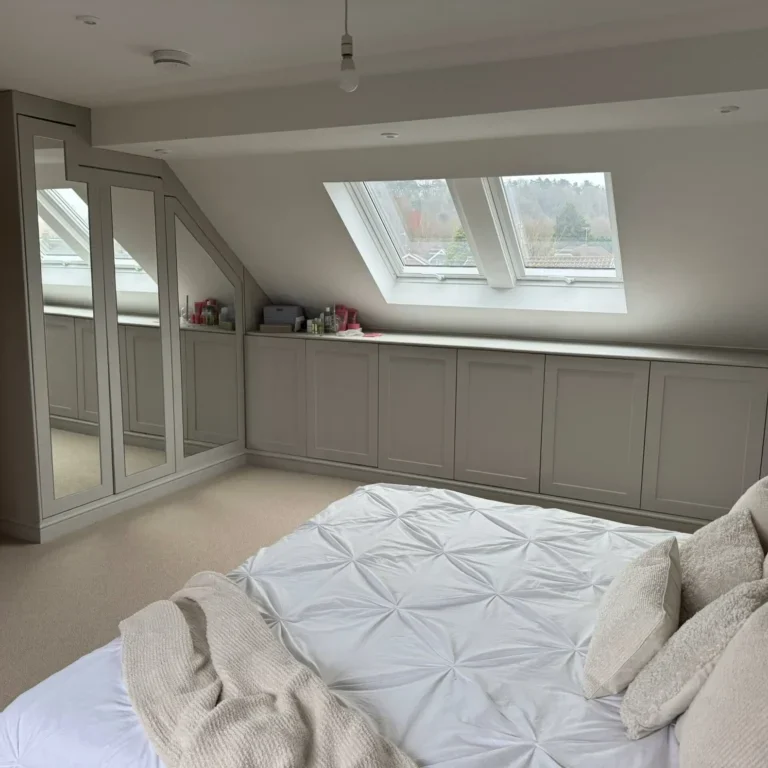
If you live in a small home and constantly feel that you’re running out of space, a hip-to-gable conversion could be the solution you didn’t know existed. Imagine turning a cramped loft into a spacious master bedroom, a stylish home office, or even a multifunctional family retreat—without the need to move house. For homeowners in the UK, hip-to-gable conversions have become an increasingly popular way to maximise property potential, add value, and enhance everyday living.
In this comprehensive guide, we’ll explore how hip-to-gable conversions work, why they are ideal for smaller homes, and the transformative benefits they offer. Whether you’re a first-time homeowner considering expanding your space, or an investor looking to increase property value, this article will give you everything you need to know.
What Is a Hip-to-Gable Conversion?
A hip-to-gable conversion is a type of loft conversion that involves changing the sloped side of a hipped roof into a vertical wall, or gable. This creates additional headroom and significantly increases the usable floor area in your loft. Unlike other loft conversion types, such as dormers or mansard extensions, hip-to-gable conversions are particularly effective for semi-detached or detached homes with hipped roofs, which are common in many parts of the UK.
The process usually involves:
- Extending the roof structure to create a vertical gable wall.
- Reinforcing the existing roof for structural stability.
- Installing windows or skylights to improve natural light.
- Adding internal features like stairs, flooring, and insulation.
By transforming the roof structure itself, homeowners can maximise loft potential in a way that feels seamless with the rest of the house.
Why Hip-to-Gable Conversions Are Ideal for Small Homes
Space is at a premium in smaller homes, and moving isn’t always practical or desirable. Hip-to-gable conversions offer a solution that keeps you in your beloved home while giving you the space you need. Here’s why they work so well:
1. Maximises Usable Space
Traditional lofts often have sloping ceilings that limit usability. By converting a hipped roof into a gable, you gain vertical height, which opens up the loft for full-size rooms. A previously cramped loft can suddenly accommodate a:
- Large bedroom
- Home office
- Family bathroom
- Walk-in wardrobe
This isn’t just about aesthetics, it’s about practical space that can improve your daily life.
2. Enhances Property Value
According to Zoopla, extending your home through a loft conversion can increase property value by up to 20% in some cases. For small homes, where adding square footage through a rear extension may not be feasible, a hip-to-gable conversion offers a high return on investment. Buyers often pay a premium for homes with additional bedrooms or flexible living spaces.
3. Preserves Garden Space
For homeowners with small gardens, a loft conversion avoids sacrificing outdoor space. Instead of extending sideways or building upwards in multiple stages, you expand vertically within the existing roof structure.
4. Improves Natural Light and Ventilation
Hip-to-gable conversions often incorporate skylights or vertical windows, which bring more natural light into the loft. This not only makes the space feel larger but also creates a healthier living environment.
The Transformative Benefits of a Hip-to-Gable Conversion
Beyond just adding square footage, hip-to-gable conversions can truly transform the way you live. Let’s break down the key benefits.
1. Flexible Living Spaces
Small homes often struggle with flexibility. A loft that was previously unused can become a:
- Master suite with en suite bathroom
- Home office for remote work
- Guest room for friends or family
- Creative studio for hobbies
By converting the loft, you can repurpose the space to suit your family’s lifestyle needs, without moving house.
2. Modernises the Home
A hip-to-gable conversion can modernise both the interior and exterior of your home. Vertical walls and new windows give the home a contemporary look, while the interior benefits from clean lines, better lighting, and improved functionality. Small homes, which may have felt dated or cramped, suddenly gain a fresh, open feel.
3. Increases Energy Efficiency
With modern insulation techniques, a loft conversion can help reduce heat loss and lower energy bills. Properly insulated walls and roofing systems, combined with energy-efficient windows, make the new space comfortable year-round.
4. Creates an Open-Plan Atmosphere
Even in a small home, a well-designed hip-to-gable loft can create a sense of openness. Removing unnecessary internal walls and utilising clever storage solutions can make the space feel airy and expansive.
Planning and Permissions: What You Need to Know
While hip-to-gable conversions are often permitted development, it’s essential to check with your local council. Factors that influence planning permission include:
- Whether the property is in a conservation area
- Listed building status
- Size and design of the proposed conversion
In many cases, building regulations approval is also required to ensure the structure is safe, energy-efficient, and compliant with fire safety standards.
You can check UK Government Planning Portal for detailed guidance on planning permissions and permitted development rights.
Designing a Hip-to-Gable Conversion for Maximum Impact
Small homes benefit most when every square metre of the loft is used efficiently. Here’s how to optimise the design:
1. Choose the Right Layout
Start by identifying how you want to use the space. For a small home, multifunctional spaces work best—like a home office that doubles as a guest bedroom.
2. Incorporate Smart Storage
Maximise storage without sacrificing headroom. Built-in wardrobes, under-eaves cupboards, and shelving units can keep the space clutter-free.
3. Focus on Lighting
Skylights, vertical gable windows, and even roof lanterns can flood the loft with light, making it feel bigger and more inviting.
4. Pay Attention to Stairs
The stair design can make or break the usability of a loft. Spiral or L-shaped stairs are often used in smaller homes to save space, but ensure they comply with building regulations for safety.
5. Use Neutral Colours and Minimalist Decor
Light colours, mirrored surfaces, and minimalist design make a small loft feel more spacious and modern.
Cost Considerations for Small Homes
The cost of a hip-to-gable conversion varies depending on size, materials, and finishes. In general, homeowners in the UK can expect:
- Basic conversion: £30,000–£40,000
- Mid-range: £40,000–£55,000
- High-end or luxury finish: £55,000+
Additional factors influencing cost include:
- Roof structure complexity
- Adding a bathroom or en suite
- High-end finishes and furniture
- Planning permission or structural reinforcement needs
While it may seem like a significant investment, the long-term increase in property value and quality of living often outweighs the initial expenditure.
Real-Life Transformations: Examples of Hip-to-Gable Conversions
Consider a typical semi-detached home in Nottingham. The original loft was low, sloped, and mostly unusable. After a hip-to-gable conversion:
- Full-height walls were added
- Skylights installed for natural light
- New staircase improved access
- Loft transformed into a master bedroom with an en suite
The result? A previously cramped space now added 20–25% more usable floor area, dramatically improving both the functionality and value of the home.
These kinds of transformations are increasingly common, making hip-to-gable conversions a go-to solution for small homes across the UK.
Choosing the Right Contractor for Your Conversion
Selecting an experienced contractor is crucial. A professional team will ensure:
- Structural integrity of the conversion
- Compliance with building regulations
- Efficient project management from design to completion
- Minimal disruption to your home
TopMark Conversions specialises in hip-to-gable conversions, offering tailored solutions for small homes that maximise space and add value.
Q: How long does a hip-to-gable conversion take?
A: Typically 8–12 weeks, depending on complexity, planning, and size of the loft.
Frequently Asked Questions About Hip-to-Gable Conversions
Will my small home look out of proportion with a hip-to-gable conversion?
A: No. Skilled designers ensure the conversion blends seamlessly with the existing roofline, enhancing overall aesthetics.
Can I add a bathroom in my loft conversion?
A: Absolutely. Adding a bathroom is common, but requires careful planning for plumbing and ventilation.
Do I need planning permission?
A: Many hip-to-gable conversions fall under permitted development, but it’s important to confirm with your local council, especially in conservation areas.
Transform Your Small Home Today
A hip-to-gable conversion is more than just a loft renovation, it’s a transformation. For small homes, it provides a clever way to gain space, improve functionality, and increase property value without the stress of moving.
From modernising your living space to creating flexible rooms for work, rest, or play, this type of conversion can fundamentally change how you live. If you’re considering a hip-to-gable conversion, consulting with a professional team like Top Mark Conversions ensures the project is safe, stylish, and tailored to your needs.
Don’t let limited space hold you back. Explore the possibilities, get inspired, and take the first step toward transforming your small home today.
Ready to start your hip-to-gable conversion journey? Contact Top Mark Conversions for a free consultation and discover how your small home can be transformed.