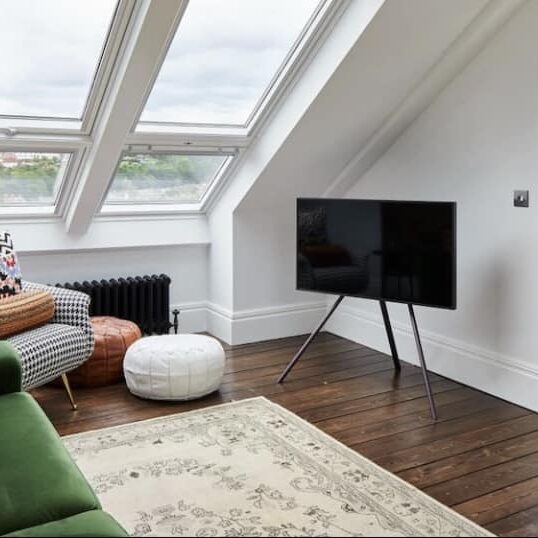
One of the biggest concerns homeowners have when considering a loft conversion is how disruptive the process will be. It’s completely understandable — any form of building work can feel daunting, especially when it’s happening in your home.
The good news is that loft conversions are generally far less disruptive than people expect. With the right planning and an experienced team, most homeowners are able to stay in their property throughout the project with minimal impact on their day-to-day life.
How Much Disruption Should You Expect?
Like any construction project, there will inevitably be some level of noise, movement, and temporary inconvenience. However, loft conversions are unique in the sense that much of the work takes place above your existing living space, rather than directly within it.
In the early stages, particularly during structural work, you can expect some noise as floors are reinforced and any necessary adjustments to the roof are made. This is usually the most intensive part of the project, but it doesn’t last for the entire build.
As the project progresses, the work becomes less intrusive. Once the main structure is in place, the focus shifts to internal work such as insulation, electrics, and plastering, which tend to have less impact on your daily routine.
Will Builders Be Inside My Home All the Time?
One of the reasons loft conversions are more manageable than other types of home improvement is the way they are accessed. In most cases, the majority of the work is carried out using external scaffolding, meaning builders can enter and exit the loft without constantly coming through your main living areas.
This approach helps keep disruption inside your home to a minimum, particularly in the earlier stages of the build. It also allows you to continue using your existing space with fewer interruptions.
Towards the later stages of the project, when the staircase is installed and internal connections are completed, there will be more activity inside the home. However, by this point, much of the heavy work has already been done.
Can I Stay Living at Home During the Conversion?
In the vast majority of cases, yes. Most homeowners remain in their property throughout the entire loft conversion process.
Unlike large-scale extensions, loft conversions don’t usually require you to vacate key living areas such as your kitchen or main living spaces. This makes it a much more practical option for families or those working from home.
There may be short periods where certain utilities are temporarily interrupted, such as when electrical or plumbing work is carried out, but these are typically planned in advance and kept as brief as possible.
Managing Noise, Dust, and General Disruption
Professional loft conversion teams take steps to minimise disruption wherever possible. This includes using protective coverings, keeping work areas contained, and maintaining a clean and organised site throughout the project.
While some dust and noise are unavoidable, especially during structural stages, they are usually well managed and temporary. Clear communication from your building team also makes a big difference, as you’ll know exactly what’s happening and when.
Choosing the right type of conversion can also influence the level of disruption. For example, a Velux loft conversion is typically less invasive as it works within the existing roof structure, while a dormer loft conversion involves more extensive work but creates significantly more space.
Planning Ahead Makes All the Difference
One of the best ways to minimise disruption is to plan ahead. Knowing the timeline, understanding which stages may be noisier, and preparing your home accordingly can make the process much smoother.
Simple steps like clearing access areas, protecting belongings, and adjusting your daily routine slightly during key stages can help reduce any inconvenience.
Working with an experienced company also ensures the project is completed efficiently, which ultimately reduces the overall impact on your home life.
The Reality: Less Disruptive Than You Might Think
While it’s natural to expect some disruption, most homeowners are pleasantly surprised by how manageable the process actually is. Compared to moving house or undertaking a large ground-floor extension, a loft conversion is often far less intrusive.
You gain valuable living space without completely turning your home upside down, which is one of the reasons loft conversions are such a popular choice.
Speak to a Specialist
If you’re considering a loft conversion and want a clearer idea of what the process would look like for your home, it’s always best to get tailored advice.
At Top Mark Conversions, we guide you through every stage and ensure disruption is kept to a minimum. You can learn more about your options on our loft conversions page or get in touch via our contact page to arrange a consultation.
Final Thoughts
A loft conversion doesn’t have to mean months of stress and disruption. With the right team and proper planning, it’s a smooth and well-managed process that allows you to stay in your home while it’s being transformed.
For most homeowners, the temporary inconvenience is far outweighed by the long-term benefits of gaining a brand-new living space.